Other posts you might be interested in :
Our Essential Travel Resources :
There are a lot of travel companies out there, but some are better than others. These are our favorite websites and resources to help you plan an incredible trip. For flights, we recommend using WayAway or Hopper to compare the cheapest dates to travel to your destination. Car rentals comparisons are best through Discover Cars - just make sure to bring your international driver's permit with you if you're heading somewhere international! We always use AGODA for hotels. They have an easy-to-use platform where you can compare the best rates. To keep cell phone service if you're traveling internationally, we always use Airalo’s easy to purchase eSIM’s (no installation required). For fun things to do, we always recommend Viator to find the best tours in the area, otherwise Klook also does the trick, especially for tours in Asia. Just in case, Safetywing is the insurance I always use for travel insurance. Lastly, my packing list for your international or domestic travels. Planning Your Port Day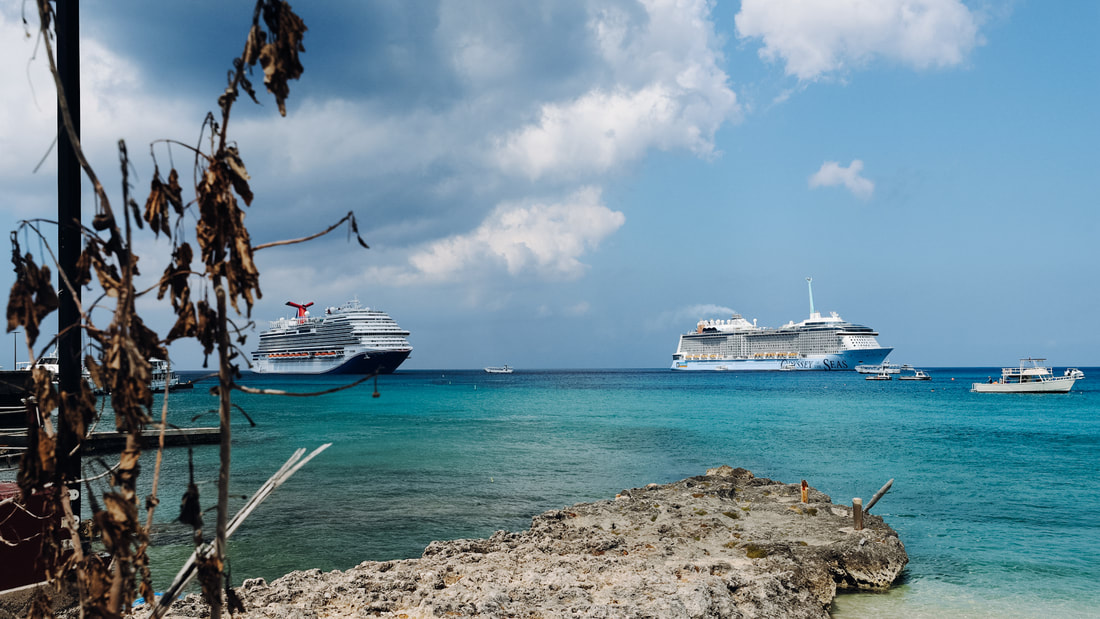
Before you plan a your port day in George Town, there's a few things you might like to know. George Town is in fact the capital of Grand Cayman, the largest of the 3 islands that make up the Cayman Islands. Grand Cayman can easily be explored in one day, and is just 22 miles long and 8 miles across. Although the official currency is the Cayman Islands Dollar, we used USD everywhere we went and had no issues. Another perk is that English is spoken everywhere as well, making it very easy to get around. Some other tips we have for you are :
Best Things to Do in Grand Cayman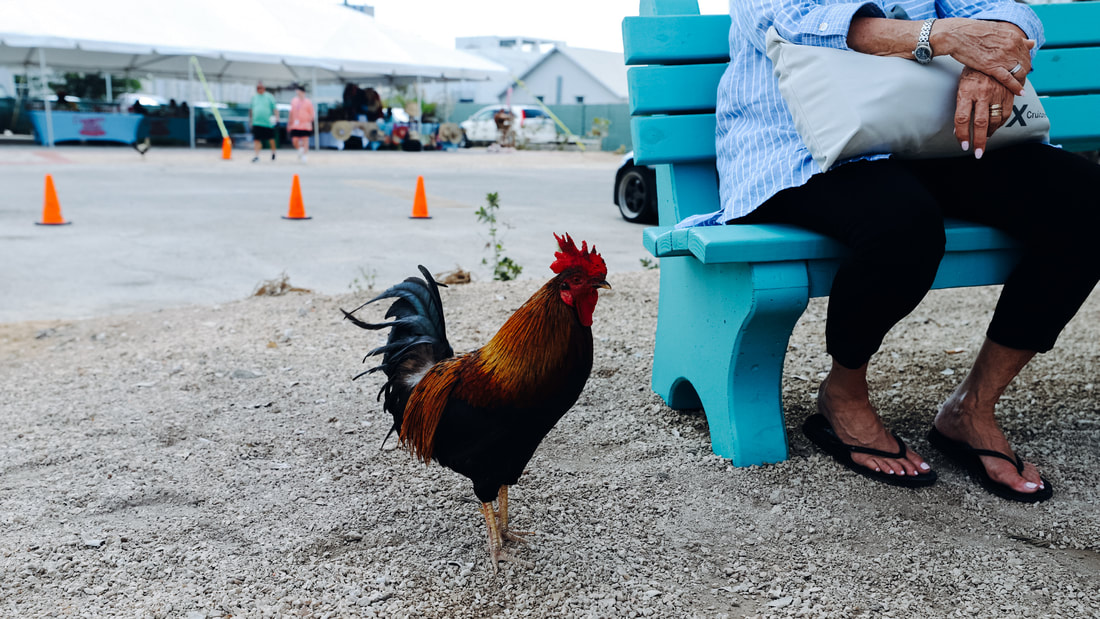
1. Explore the Port
There are two areas to the George Town Port, one inside the gate and one outside the gate. It's important to note that once you leave the gated area you will need your cruise card and Photo ID/Passport to get back in. Inside the gated area you'll find various shore excursion and tour pick up locations, some shops, and a few food shacks (think shaved ice and lemonade). If you're looking to truly experience the island, we recommend heading out of the gated area, and want to point out that we felt very safe while walking around on our own. 2. A Rum Tasting Tour When in the Caribbean...you try the rum. If you're looking to compare different rums or just explore a local distillery, then this is definitely the tour for your port day in George Town. Not to mention, it also includes a traditional Caymanian lunch! 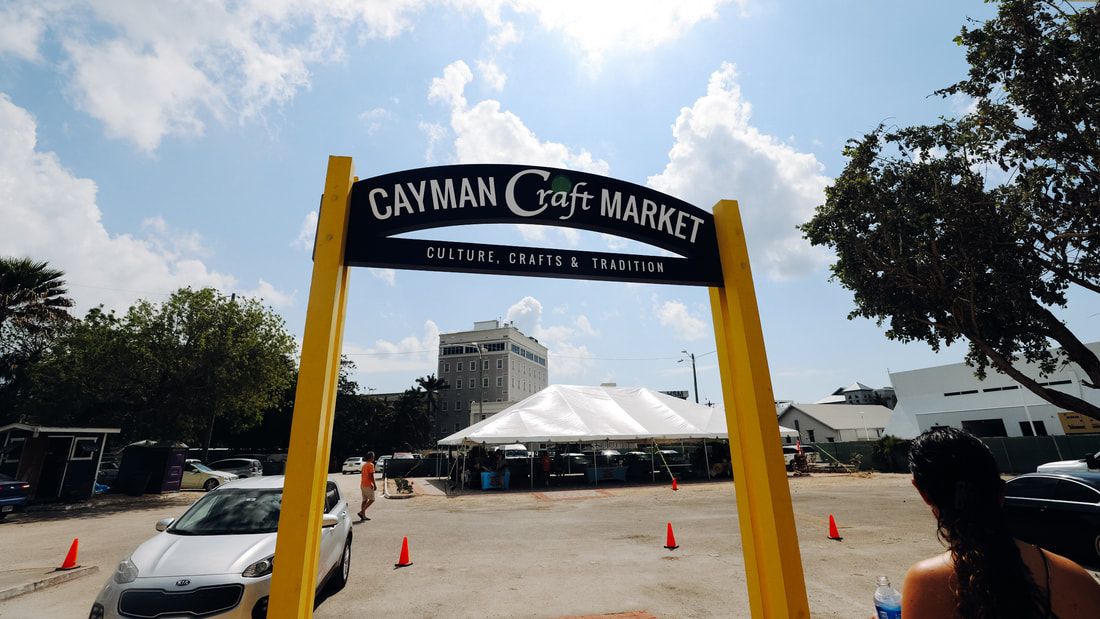
3. Shop for Souvenirs
Both areas of the port will have plenty of shops for you to do your shopping at. If you're looking for the usual jewelry stores and cruise brand shops, then you'll easily find them within a few blocks of the port. However, if you're looking for something a bit more unique to commemorate your visit then we recommend heading to the Cayman Craft Market. Located just a couple blocks from the port and right off the main street, here you can find booths from local artists that are selling their uniquely created crafts and souvenirs. 4. Jet Ski Tour If you're looking for a bit more adrenaline, then another popular thing to do during a port day in Grand Cayman is to try Jet Skiing! With the clear blue water and stunning weather most of the year, this is the perfect spot to try it out for yourself! 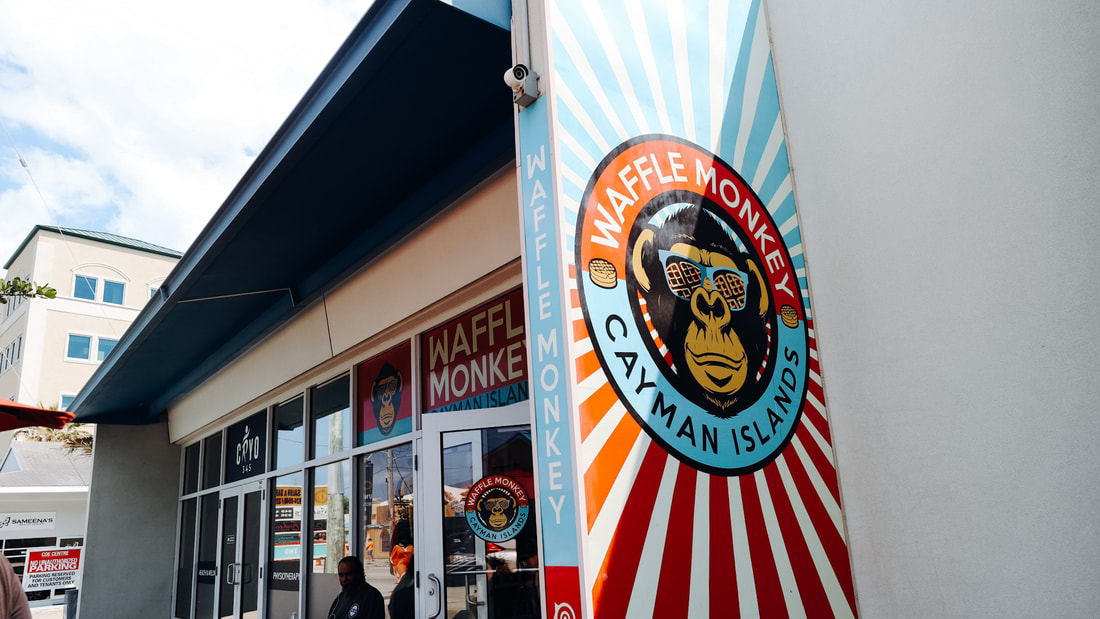
5. Try the Local Cuisine
The Grand Cayman Islands have a cuisine inspired by the Caribbean, no shocker there. While you're visiting on your port day we recommend trying what they're best known for - their coconut shrimp, their stews (fish, conch, and turtle), their fruit cakes, and their fritters (essentially what we know to be funnel cake). If you're looking for a restaurant close to port, we recommend Sandbar Daiquiri Bar & Grill Grand Cayman located right on Balboa Beach, and if you're looking for something sweet, then we recommend Waffle Monkey for their delicious sweet waffles and shakes! 6. Cayman Crystal Caves This natural attraction is located in the underground of the Cayman Islands, and you'll have to book a guided tour to experience this natural attraction. During your tour, you'll be led on a guided walk through the tropical forest in addition to the underground caves. If you're looking to fill your time with something that isn't as popular and crowded as Stingray City, then we recommend the Crystal Caves instead. 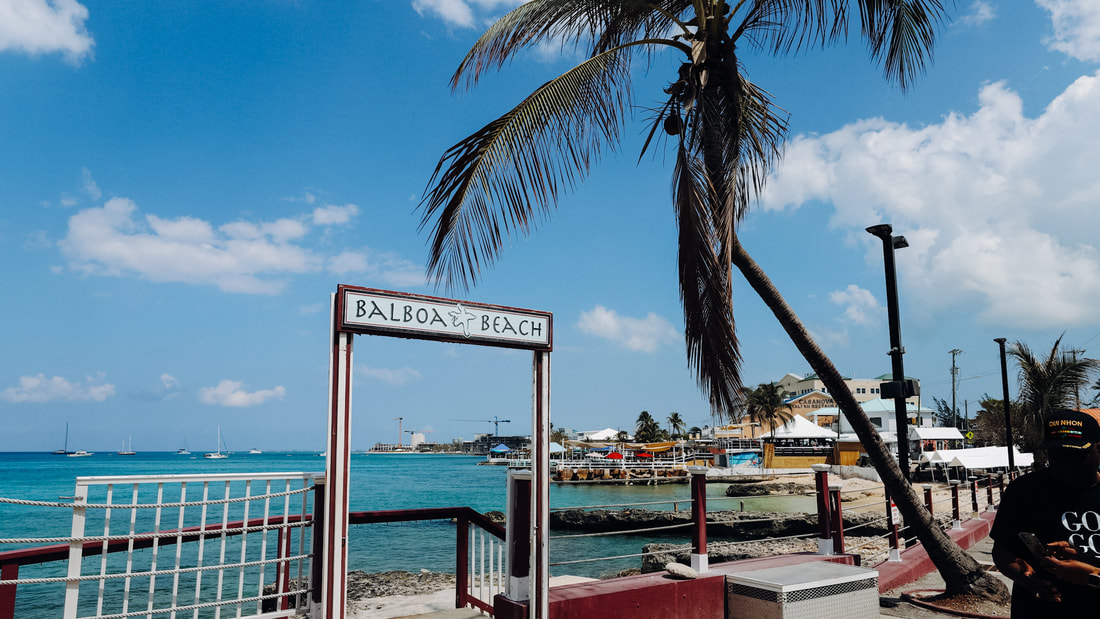
7. Enjoy Balboa Beach
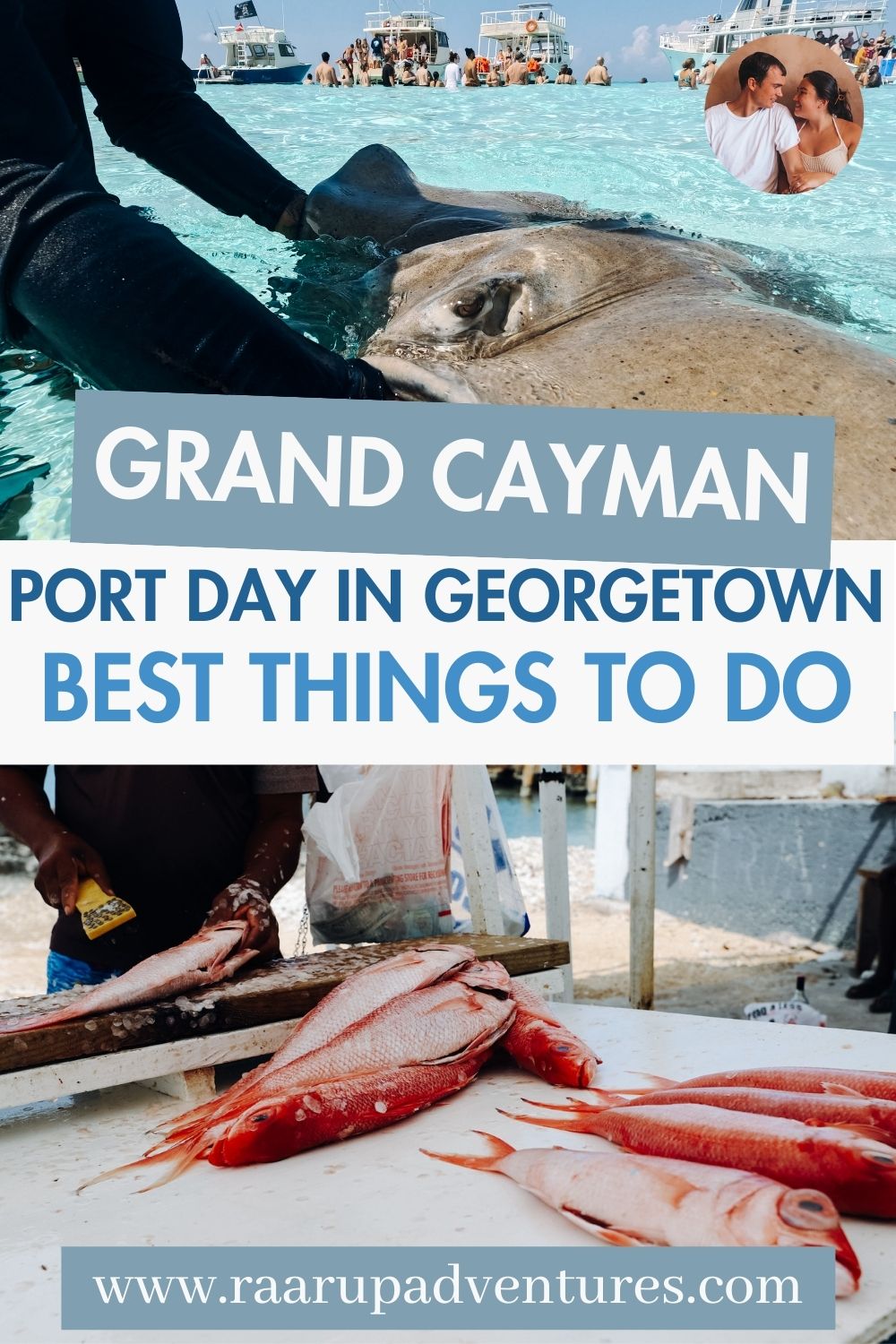
If you want to enjoy a beach while you're ported for the day but don't want to go very far, we recommend checking out Balboa Beach. Although it's a bit rocky, the water is clear and beautiful and relatively calm. We also loved the fact that we could see fish like tarpon right from shore, and locals were filleting some red snapper on the nearby table too! 8. Seven Mile Beach A more popular beach for visitors is Seven Mile Beach, a stunning, picture perfect crescent beach that was named one of the best beaches in the entire Caribbean in 2015. This beach is also a very popular spot for water sports, however in order to visit you'll have to take a tour or taxi to visit. Because the price of taxis can be quite high in the area, especially for cruise visitors, we recommend booking a tour like this that includes round trip transportation for only $35. 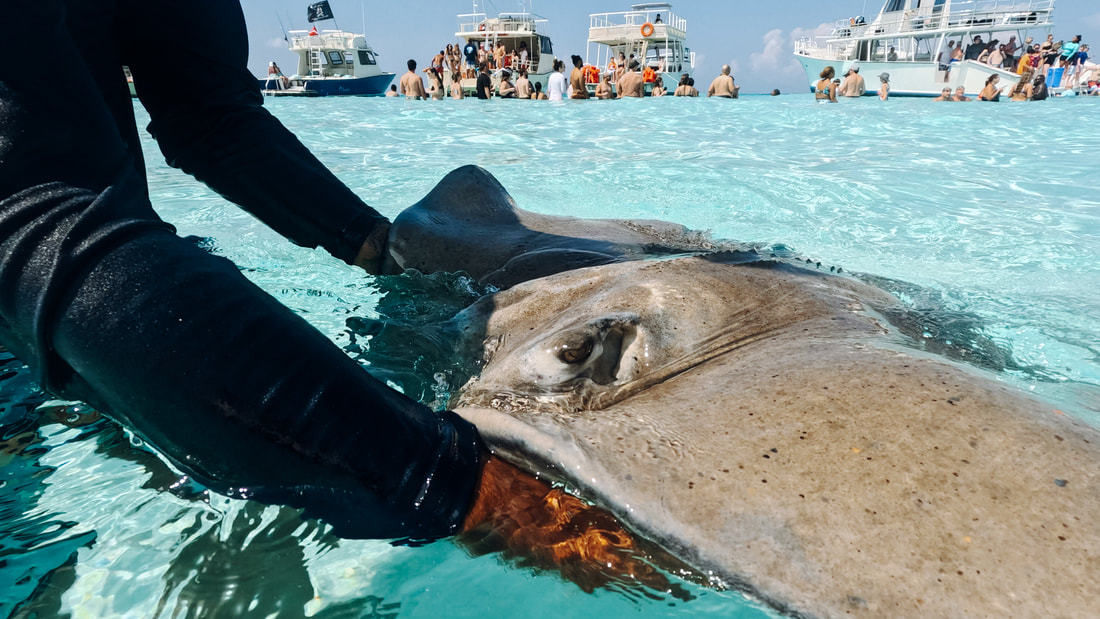
9. Stingray City
This might just be the most incredible snorkeling tour we've ever done. In addition to a few other stops, you'll be able to visit the sandbar known as Stingray City. As you stand out on the sandbar, you'll have the chance to interact with the local stingrays, and lots of them. This is the closest we've ever been to stingrays, and we were shocked at just how comfortable they were around people! To be completely honest, we don't recommend booking a private tour to stingray city because even with your private boat, the area you get taken to is the exact same as every other boat - so it's really a waste of money. It's also important to expect crowds at Stingray City, however even though there are a lot of people you'll still have the opportunity to interact with the stingrays one on one. We highly recommend the tour we've linked below!
This 3-in-1 tour brings you to Stingray City, Starfish Point, and the Coral Forest and is the exact tour we did in our video below!
The Bioluminescence Tours out of Grand Cayman are also supposed to be spectacular, however, because most port guests won't be on the island during nightfall, we didn't include it on our list, but wanted to at least mention it! ;)
Watch our Adventures in Grand Cayman here!
Other Caribbean Blog Posts :
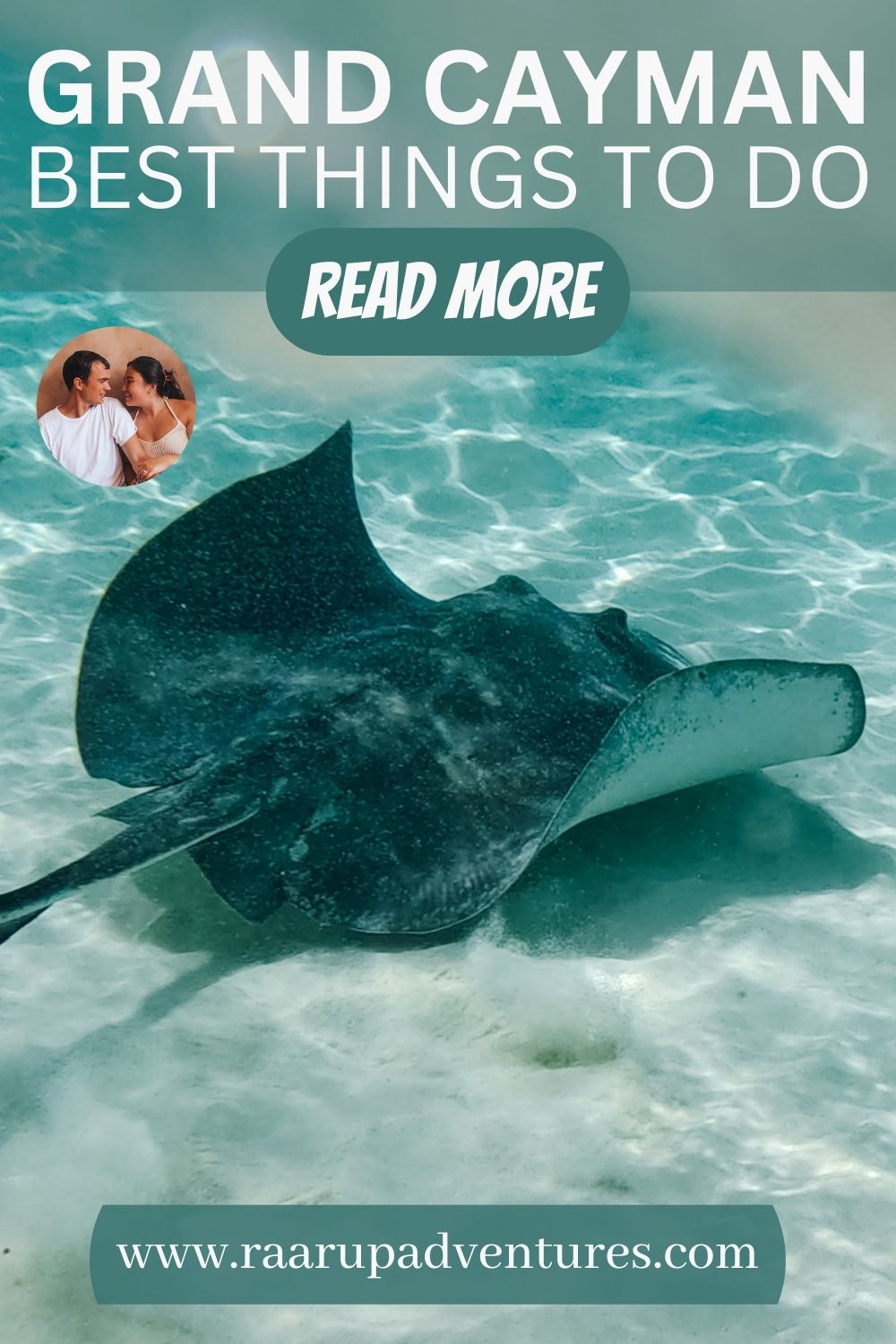
Pin this Guide to George Town for Later!
|

We're Deborah & Tyler. After our move to Alaska, we decided to take a gap year and visited 30+ countries on a budget of about $100 per day! This blog shares our best budget saving travel tips & itineraries. 

Shop all our favorite gear! --- Our blog and all its content are free to you, however when you purchase through referral or affiliate links on our site we may earn a small commission. Learn more here about our affiliates and privacy policy. --- Join Travel Payouts or Rock Porch to earn affiliates on your own sites! 

|
|
© COPYRIGHT 2024. ALL RIGHTS RESERVED.
PRIVACY POLICY |

|
|